Choosing Wireless IP Cameras for Business Needs

application/wireless-ip-camera, application/wireless-ip-camera, 
Inquiry
Inquiry

wireless ip camera

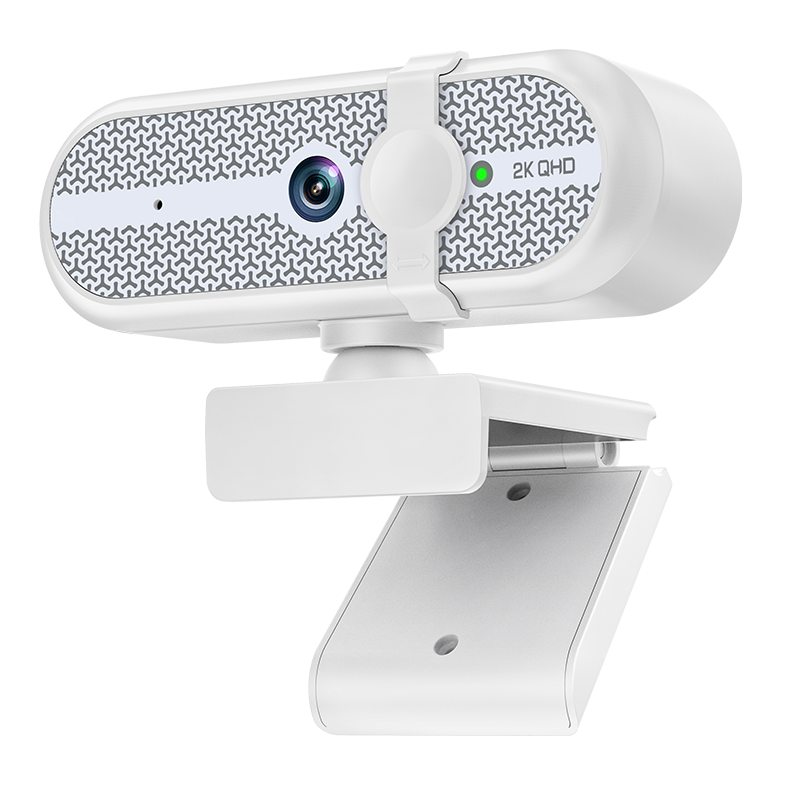
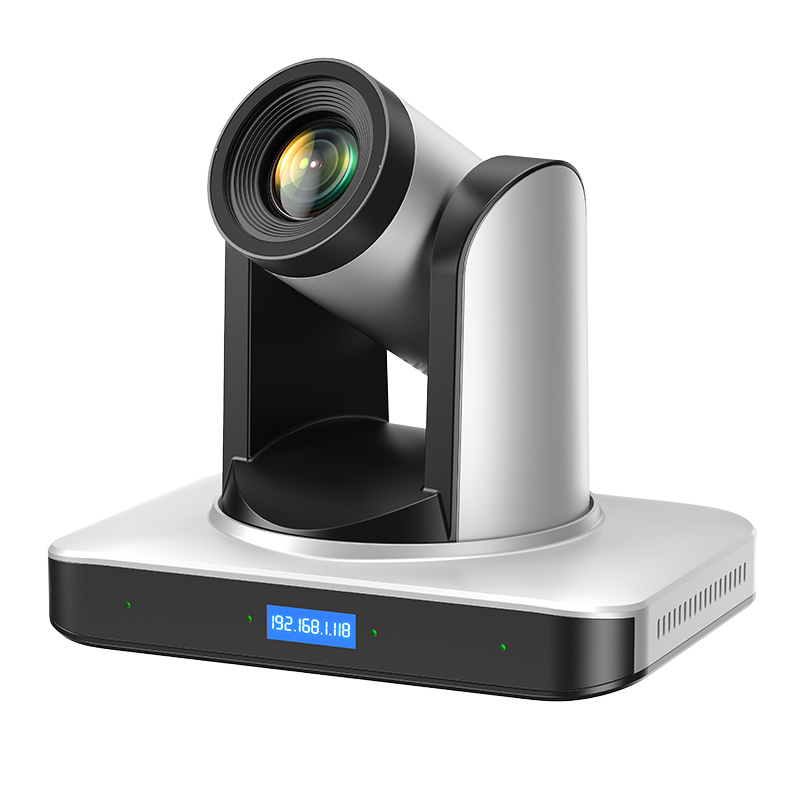
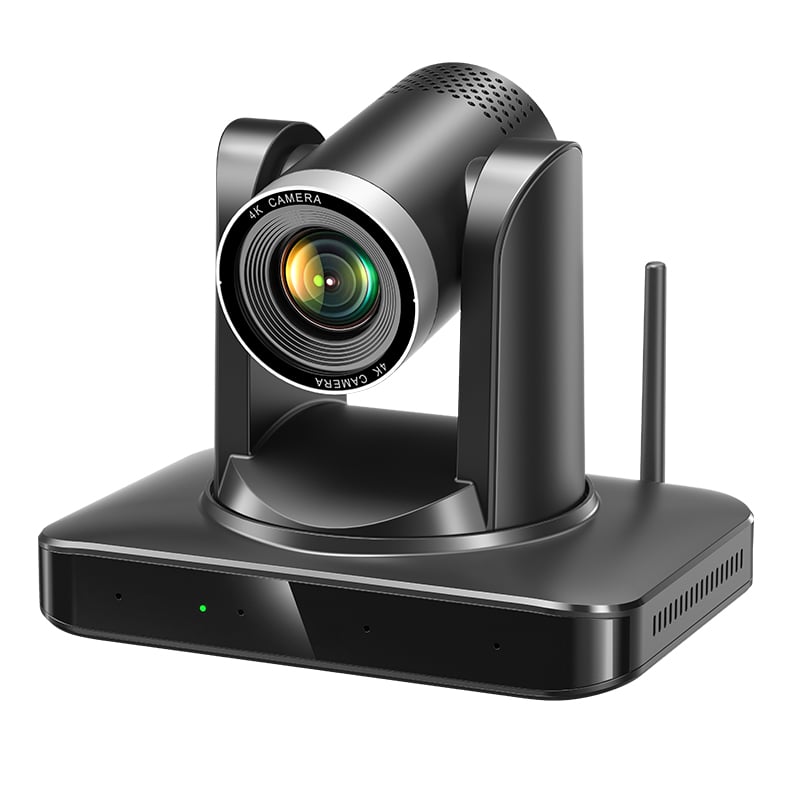
Wireless  IP cameras are essential  tools for modern businesses, enhancing security  and facilitating remote  monitoring. These devices  leverage  internet connectivity to transmit  video feeds  in real-time,  allowing users to monitor their premises from anywhere. B2B buyers often have specific concerns such as compatibility  with  existing systems, video quality, installation  requirements, and  overall  cost. This article  will guide you through the  key considerations for selecting,  sourcing,  and comparing wireless IP cameras  tailored to  your business needs.

Where to Find Reliable Wholesale Suppliers of Wireless IP Cameras

Where to Find Reliable Wholesale Suppliers of Wireless IP Cameras

Identifying reliable wholesale suppliers is paramount for businesses looking to purchase wireless IP cameras in  bulk. Start by researching manufacturers with a strong reputation in the industry. Look for suppliers that demonstrate experience in producing high-quality  cameras, as  this often correlates with  better performance  and reliability.

Trade shows and industry expos  are excellent venues to connect with  potential suppliers. These events  allow  you to see  products firsthand and discuss your needs directly with company representatives.  Additionally,  online B2B marketplaces  can be a valuable resource for finding suppliers, but ensure to verify  their credentials and read reviews  from  other buyers.

Establishing a long-term relationship with a trusted supplier can lead to better pricing, customization options,  and priority support. When engaging with suppliers, be clear about your business needs, expected volumes,  and any specific features you require,  as this will help them recommend the best  solutions.

Cost Factors to Consider When Purchasing Wireless IP Cameras

Cost Factors to Consider When Purchasing Wireless IP Cameras

The cost  of wireless IP cameras can  vary significantly based on several factors. The first consideration is the camera's specifications, including  resolution, features, and  brand reputation. Higher resolution cameras and those with  advanced  features,  such as AI  auto-tracking and noise reduction, typically come at a premium.

Additionally, consider the total cost of ownership, which includes installation, maintenance, and potential software licensing  fees. Installation costs can vary based on the  complexity of the setup; for instance, a simple plug-and-play model will be less expensive to install than one requiring  extensive configuration or  integration with existing systems.

Another factor is the minimum  order quantity (MOQ) that suppliers may impose, which can affect unit pricing.  It's wise to negotiate terms with suppliers, particularly  for bulk orders,  as this can lead to  significant  cost savings. Lastly, factor in warranty and after-sales support  costs,  as these can impact long-term expenses.

Applications of Wireless IP Cameras Across Different Industries

Applications of Wireless IP Cameras Across Different Industries

Wireless IP cameras serve a wide range of applications across various industries, enhancing security, communication, and operational efficiency. In the retail sector, these cameras are used for loss prevention, monitoring customer behavior, and ensuring  employee  safety.  The ability to analyze footage can  also provide valuable insights into store layout and product placement.

In the education sector, wireless IP cameras  facilitate remote learning environments and enhance campus security. They can be used for monitoring classrooms, events, and external  grounds, ensuring a  safe learning environment for  students.

Healthcare institutions  deploy  these  cameras for telemedicine  applications, allowing doctors  to consult with  patients remotely while maintaining privacy and security. Additionally, they can  monitor medical equipment and patient activity, enhancing overall care.

In the manufacturing sector, cameras  are utilized for  quality control, monitoring production  lines, and ensuring workplace safety. The  ability to view real-time footage can help identify issues quickly, reducing downtime and improving  operational efficiency.

How to Compare Wireless IP Cameras for Bulk Orders

When comparing  wireless IP  cameras for bulk orders, it’s essential to  create a checklist of specific criteria that matter to your business. Start with the  camera specifications, such as resolution, FOV, and connectivity options. Evaluate how these specifications  align with your intended applications.

Next,  assess the manufacturer’s reputation and experience in  the industry. Look for certifications  such as CE, FCC, and  RoHS, which can indicate compliance with safety and environmental standards. Also, inquire about the manufacturing process and quality control measures in place  to ensure consistency and reliability.

Pricing structures should also be compared, including any bulk discounts, shipping  costs, and lead times. Request detailed quotations from multiple suppliers and clarify what is included,  such as warranties  and after-sales support.


Finally,  consider requesting samples of the cameras for testing in your  environment before committing to a  bulk order. This step  can help you evaluate  performance in real-world conditions and ensure the selected models meet your expectations.

By taking a methodical approach to choosing  and comparing wireless IP cameras, businesses can make informed decisions that enhance security and operational efficiency while aligning with their specific needs.

Choosing the Right Wireless IP Camera for Your Business Needs

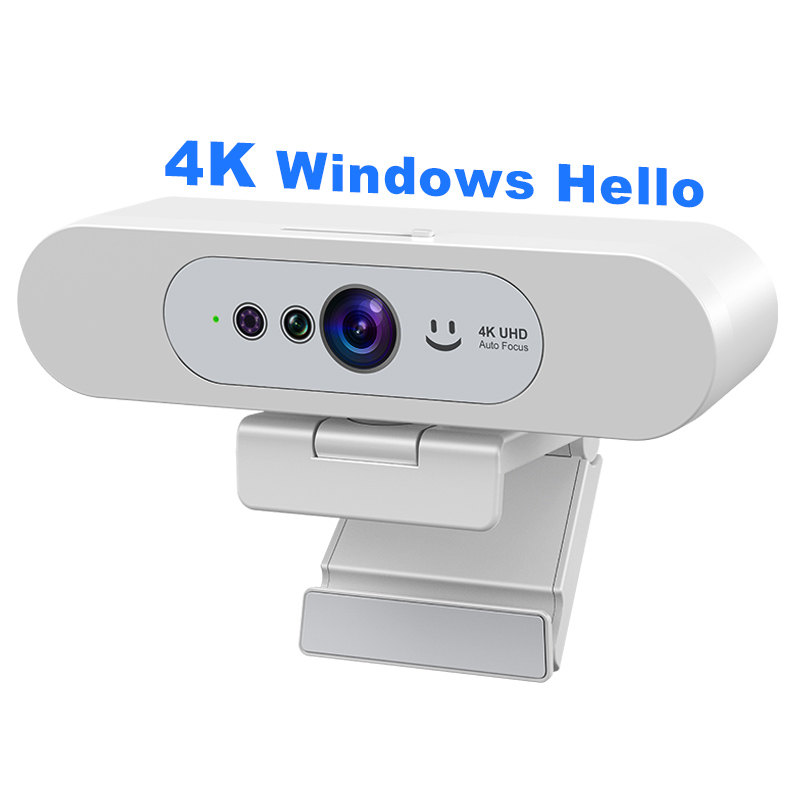
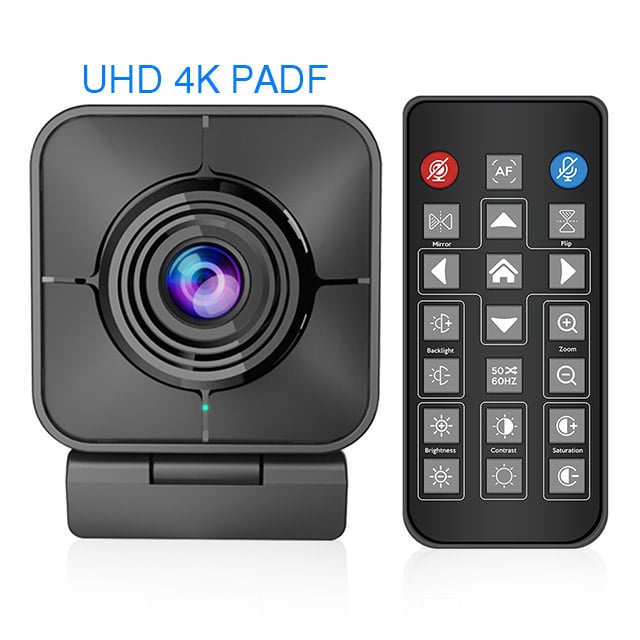
When  selecting a wireless IP camera, it’s crucial  to consider specific features  that align with your operational  requirements. Key  specifications include resolution, field of  view (FOV), and night vision capabilities. For instance, a 4K resolution camera will provide sharper images, which is particularly beneficial in environments where detail is crucial, such as retail or sensitive areas in  healthcare.

Additionally, the camera's FOV determines how much area it can cover. A wider FOV can reduce  the number  of cameras needed  for comprehensive  coverage,  ultimately saving costs. Furthermore, look for features such as motion detection and two-way audio, which can enhance the functionality of the  camera in interactive applications, such as telemedicine or live conferencing.

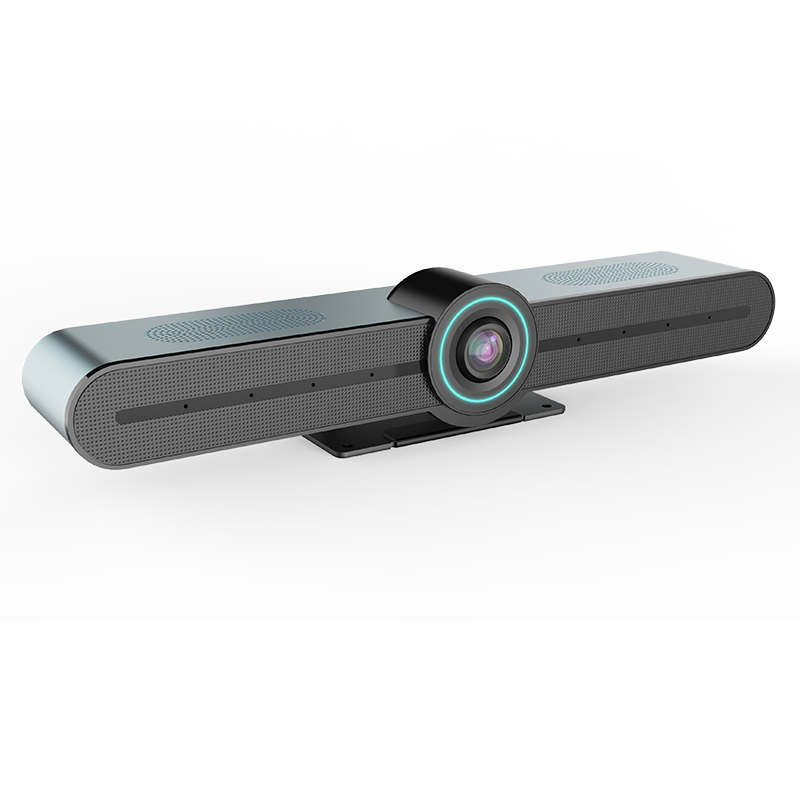
Finally, consider the  camera's compatibility with your existing infrastructure.  Many cameras offer integration with various software platforms, which can be vital for seamless  operations, especially in  large enterprises or educational  institutions. Consulting with a manufacturer can provide insights into which  models suit  your specific applications, including options such as the Live streaming camera that can enhance your setup.

Frequently Asked Questions

What wireless protocols does the wireless IP camera use?

Our wireless IP camera supports dual-band Wi‑Fi (2.4GHz/5GHz) with robust encryption for stable, secure streaming and easy network integration.
Yes. The camera integrates AI auto-tracking to follow subjects smoothly, ideal for conferences, classrooms, and telemedicine sessions.
Yes. It offers standard IP streaming, ONVIF compatibility, and SDK/OEM options for seamless integration into existing conference or education platforms.
The camera meets CE, FCC, and RoHS standards and is designed to comply with enterprise and institutional deployment requirements.
Yes. We provide OEM/ODM customization, firmware adaptation, and global technical support tailored for enterprise, education, and telemedicine clients.

Get a Free Quote

Our representative will contact you soon.
0/1000