Benefits of Bulk Ordering Wireless Clip-On Microphones

application/wireless-clip-on-microphone, application/wireless-clip-on-microphone, 
Inquiry
Inquiry

wireless clip on microphone

Wireless clip-on microphones are  compact audio devices  designed  for  hands-free use,  allowing users to capture high-quality sound without the constraints of traditional wired microphones. These  microphones are particularly beneficial for environments  like  conferences, classrooms,  and  telemedicine applications, where  mobility and clarity are essential. B2B buyers, such as purchasing managers and audio-visual integrators, often seek reliable solutions that meet their quality standards while balancing cost and functionality. This article  will explore the advantages  of bulk  ordering wireless clip-on microphones,  the  cost factors involved, common installation issues  and their solutions, diverse applications across  industries, and the importance of quality  control in  manufacturing.

Cost Factors Affecting Wireless Clip-On Microphone Purchases

Cost Factors Affecting Wireless Clip-On Microphone Purchases

Several cost factors affect the purchase  of wireless clip-on microphones, starting with the  initial unit price, which can vary based on features such as battery life, audio quality, and  connectivity range. Buyers should consider the total cost of ownership, which includes not only  the purchase price but also maintenance,  battery  replacements, and any  additional accessories required.

Another significant factor is the minimum order quantity (MOQ). Manufacturers often set an MOQ,  which can impact overall costs. Understanding the MOQ  can help  buyers  negotiate better pricing and plan their inventory accordingly.

Shipping costs  are also a critical consideration, especially for international orders. Understanding shipping fees based on weight and distance can help buyers budget  more accurately. Additionally, tariffs or import  duties may apply, influencing the overall  cost structure.

Lastly, product specifications such as build quality, microphone sensitivity, and wireless technology (e.g., Bluetooth  or RF)  can also affect the price.  Buyers should ensure that the selected product meets their performance requirements to  avoid additional costs associated with subpar audio quality.

 
Common Installation Issues with Wireless Clip-On Microphones and Solutions

Common Installation Issues with Wireless Clip-On Microphones and Solutions

Installing  wireless  clip-on microphones can present challenges that buyers should be aware of. One common  issue is  interference from other wireless devices, which can lead to degraded audio quality. To mitigate this, users should conduct frequency scans to identify the best  available channels before  installation.

Another frequent  problem is improper microphone placement. If the microphone is positioned too far from the sound source or obstructed by clothing,  it can result  in poor audio capture. Buyers  should ensure that installation includes guidance on  optimal placement, such as clipping the microphone to the user's collar  or tie for clear sound capture.

Battery management is  also  crucial. Users may forget to check battery levels, leading to unexpected failures  during use. Implementing a battery monitoring system or choosing microphones with longer battery life can help prevent  this issue.

Finally, ensuring compatibility with  existing audio systems  is essential. Before purchasing, buyers should verify that the  wireless clip-on microphones integrate seamlessly  with their current equipment to avoid additional costs and installation delays.

Applications of Wireless Clip-On Microphones in Diverse Industries

Applications of Wireless Clip-On Microphones in Diverse Industries

Wireless clip-on microphones have a range of applications across various industries.  In the education sector,  these microphones facilitate clear communication between teachers and students, enhancing the learning experience. They are  especially useful in  hybrid learning  environments, where audio  quality can greatly impact student engagement.

In the corporate world,  wireless clip-on microphones are integral  to  video conferencing and presentations. They  provide  clear  audio for remote participants, ensuring effective communication. Companies like Moertek, specializing in audio solutions, often  develop products tailored for corporate environments, ensuring compatibility  with  conference room setups. For this purpose, a quality solution is the 4K PTZ Camera 60fps AI Auto Tracking Optical Zoom HDMI USB for Conference.

The healthcare sector, particularly telemedicine, also benefits greatly from these devices. Medical professionals can communicate clearly with patients remotely, ensuring that consultations are both effective and efficient. This application has gained importance, especially in the  wake of the COVID-19 pandemic, where remote consultations have become commonplace.


Finally,  the entertainment industry utilizes wireless clip-on microphones for performances,  interviews, and broadcasting. Their unobtrusive design allows performers to  move freely while maintaining high audio quality, essential for live events and recordings.

Evaluating Quality Control in Wireless Clip-On Microphone Manufacturing

Quality control is a vital aspect of manufacturing wireless clip-on microphones. Buyers should look for manufacturers that implement rigorous testing procedures  to ensure product  reliability and  performance. This includes checks for audio clarity, battery life, and durability under various operating conditions.

Certifications such as CE, FCC, and RoHS are  essential indicators of compliance with international standards. These certifications  ensure that the  microphones meet safety and environmental regulations, providing buyers with confidence  in their purchase.

Additionally,  manufacturers  should  offer sample approval processes before mass  production. This allows buyers to evaluate the product's performance and make  any necessary adjustments to specifications based on their application requirements.

It is also beneficial to inquire about the manufacturer's production capabilities and quality assurance protocols. Understanding the  manufacturing process, from  material selection to final assembly, can  provide insight into the expected  product quality. Buyers should ensure  that the  manufacturer implements consistent quality checks throughout the production cycle to minimize the risk of defects.

By focusing on these  quality control measures, buyers can make informed  decisions when selecting wireless clip-on microphones, ensuring they receive a product that meets their performance expectations and application needs.

Benefits of Bulk Ordering Wireless Clip-On Microphones for Resale

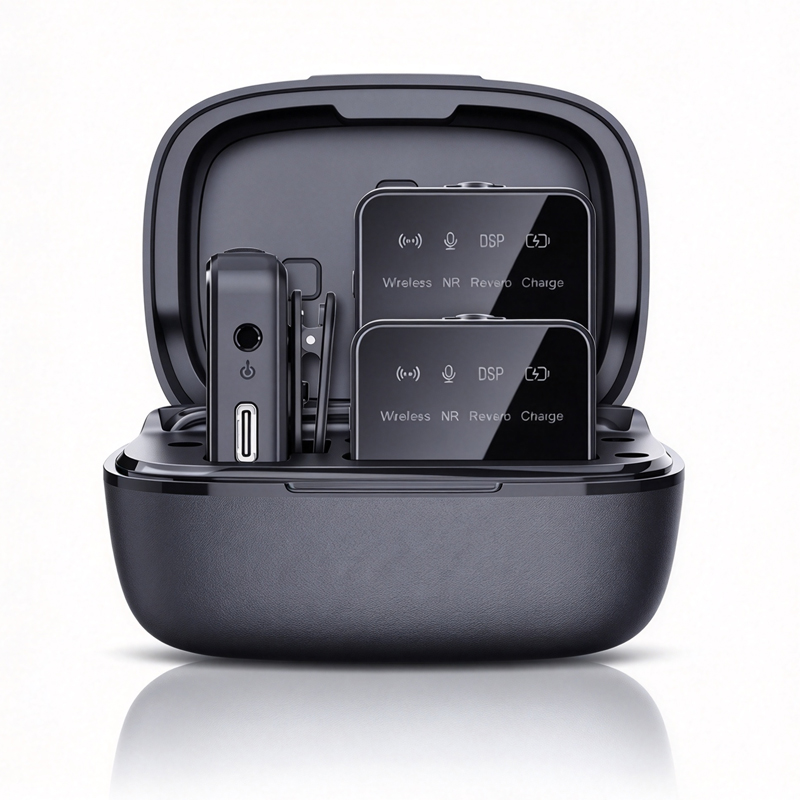
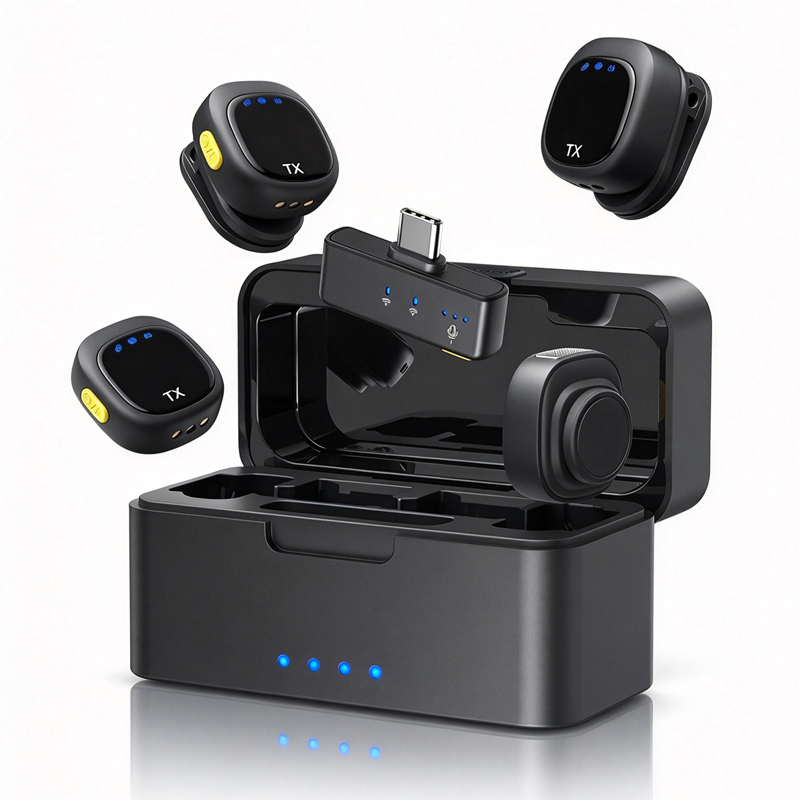
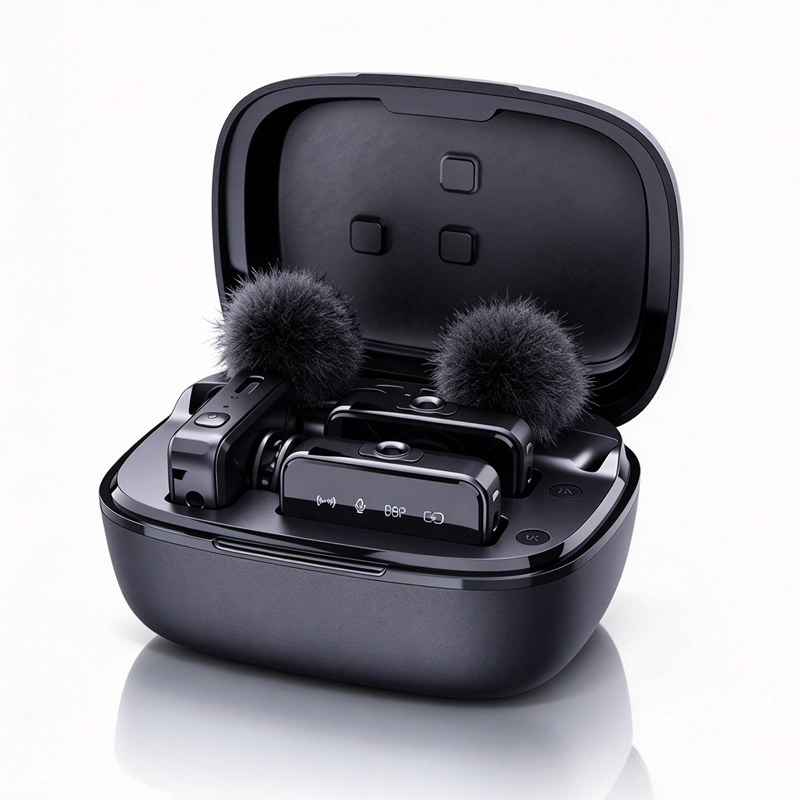
Bulk ordering wireless clip-on microphones offers several  advantages for businesses looking to resell these products. First and foremost, purchasing in bulk can lead  to  significant cost savings due to lower unit prices. Suppliers typically offer  discounts based on order quantity, which can enhance profit margins for resellers. Additionally, bulk  orders  ensure that companies  maintain adequate stock levels, reducing the risk of  running  out of inventory during peak demand  periods. For example, companies may consider a reliable option like the Dual-Channel Wireless Lavalier Mic 2.4GHz 100m with Charging Case for their bulk purchases.

Another benefit is  the potential for customization.  Many  manufacturers, including Moertek, provide  options for branding  and packaging, allowing resellers to present the product  in a way that aligns with their brand identity. This customization can make a difference in  a competitive market,  helping products stand out.

Finally, bulk purchasing can streamline logistics. By consolidating orders, companies can reduce shipping costs and lead times,  ensuring that they have the necessary stock to meet  customer demand without delays.

Frequently Asked Questions

What devices is the wireless clip on microphone compatible with?

The microphone supports PCs, Macs, tablets, smartphones, and conference systems via USB-C, USB-A adapter, or 3.5mm TRS/CTIA connectors depending on the model.
Typical wireless range is up to 30 meters (clear line-of-sight). Battery provides up to 8–10 hours of continuous use; standby and charging times vary by model.
Yes. The mic features built-in noise reduction and voice enhancement optimized for meetings, education, and telemedicine to ensure clear speech pickup.
Yes. Multiple units can operate simultaneously with minimal interference; pairing and channel selection are handled by the included receiver and software.
Our products hold CE, FCC, and RoHS certifications. We offer OEM/ODM customization for enterprise, education, and telemedicine deployments.

Get a Free Quote

Our representative will contact you soon.
0/1000