Technical Specifications That Matter in Streaming Microphones
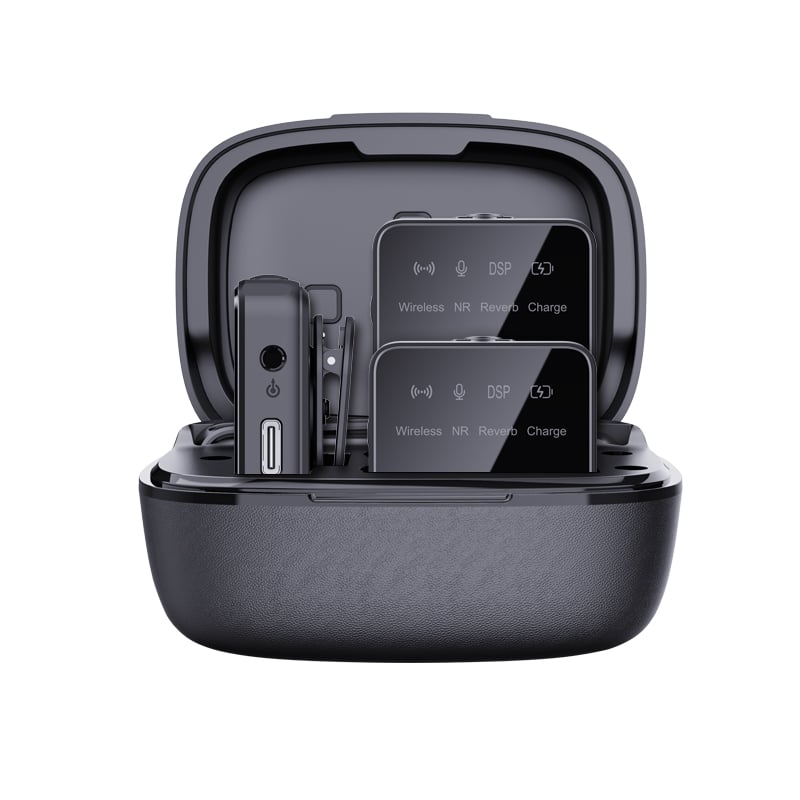
Understanding the technical specifications that matter in streaming microphones is crucial for making informed purchasing decisions. Key specifications include polar patterns, dynamic range, frequency response, and connectivity options.
Polar patterns define how a microphone picks up sound from different directions. Common types include cardioid, which picks up sound from the front and rejects noise from the sides and back, making noise reduction technology ideal for streaming applications. Knowing which polar pattern aligns with your intended use is critical.
The dynamic range indicates how well a microphone handles varying sound levels, essential in environments where audio may fluctuate. Additionally, frequency response affects how accurately the microphone reproduces sound. A well-matched frequency response to your audio source ensures clarity and fidelity in recordings.
Finally, consider the connectivity options available. USB microphones are convenient for direct connections to computers, while XLR microphones offer versatility for professional audio interfaces. Understanding these specifications will empower buyers to select microphones that best fit their streaming applications and environments.
By taking these considerations into account, B2B buyers can confidently select the best microphone for streaming needs, ensuring high-quality audio performance tailored to their specific applications.
 EN